

Over the past couple of months I’ve taken a bit of a hiatus. I wrote a post about it earlier in which I talked about my new garden and how I was going to get sheep. Since then I’ve planted melons, watermelons, pumpkins, corn, beans, squash (the three sisters), parsley, cilantro, tomatoes, different kinds of cucumbers, peppers, asparagus, artichoke, rhubarb, onion, potatoes, and sweet potatoes. I’ve been busy!
Our homestead also has a new flock of sheep, and I’ve spent most of my free time building them fences and rotationally grazing them before they succumb to the parasites in their poop. And yes, sheep will happily eat grass covered in their own feces if you don’t literally force them off it with fencing.
At some point the fencing infrastructure will be established and I’ll finally have more time for other things, but until then I’m still pretty short on time and so have had to drop the ball on posting here.
I did notice one disappointing thing though that I wanted to write about - if you don’t post every day, the Substack algorithm drops you. You disappear. Existing posts are never again shown to anybody, and your publication stalls.
When you first register for a Substack and they tell you “posting regularly is the key to growing your Substack” - they’re not kidding, that’s literally how they’ve built their algorithm. Recency trumps everything else.
Here’s my subscriber chart over the last 3 months. You’ll notice a big drop in early April, that’s when I deleted almost 100 subscribers who had never opened an email or engaged with any posts (I figure if people don’t want to see my emails, no need to spam them).
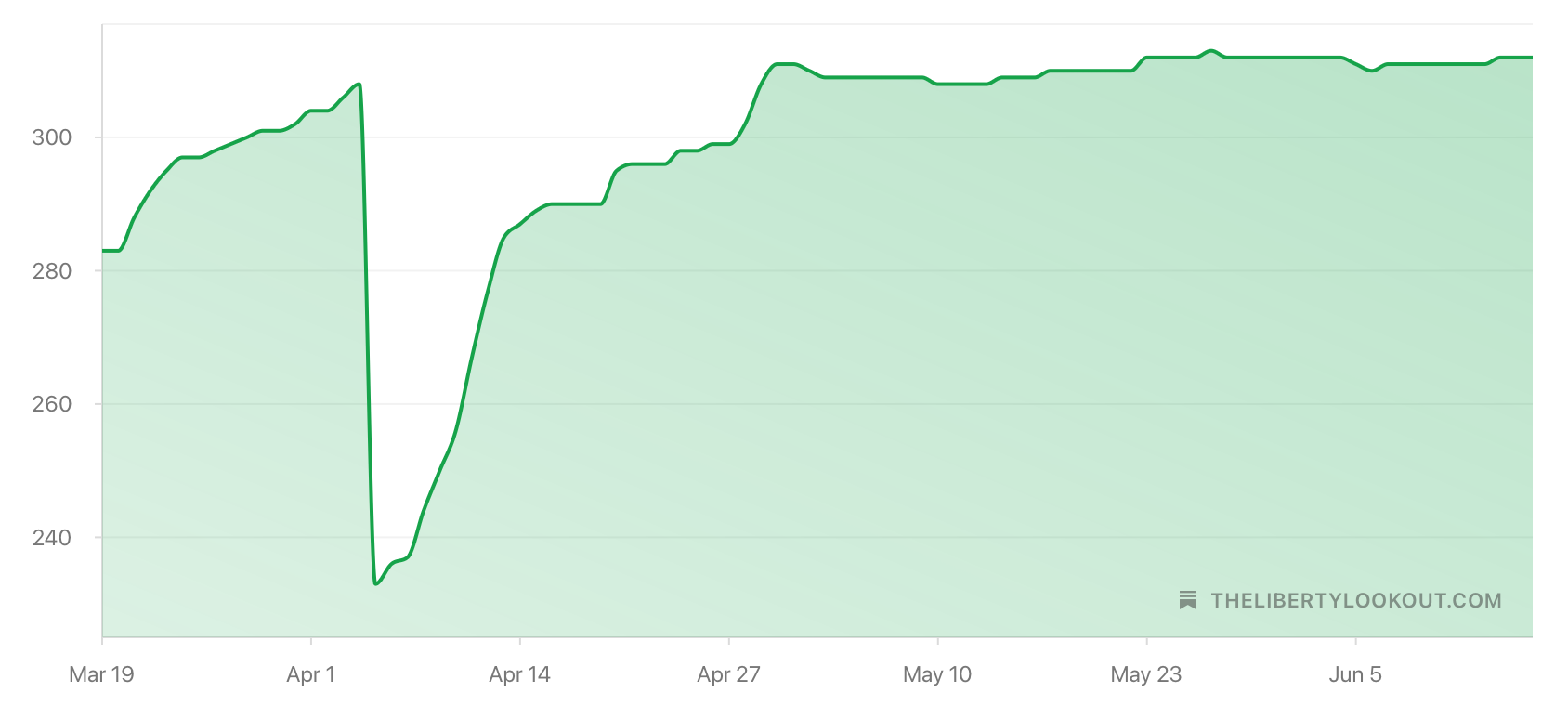
I quickly gained as many subscribers back over the following month of almost daily posts.
Then I stopped posting and my subscribers, views, and comments all plateaued and stopped.
Before Substack, many years ago, I had a Wordpress publication, and it worked very differently. Older posts would develop good SEO rankings, and Google and other search engines would bring in more traffic, not less, over time. Writing back then felt like an investment - anything I wrote would keep getting read for years to come.
Substack works differently. Like social media, it prioritizes recency. If you haven’t posted today, your publication basically doesn’t exist.
Substack makes writing throwaway.
All those articles I wrote in the Biology & Survival series about the imminent extinction of the human species? Invisible. Possibly the most important writing I’ve ever published is hidden, never to be found by anyone again, unless they specifically look through my publication’s archive. I get zero traffic from search engines because Substack apparently sucks at SEO.
I like Substack, mostly. There’s a lot of smart people on here and it feels like a corner of the internet that isn’t as toxic as some places like Reddit, for instance. But the fact that anything older than a few days old gets effectively memory-holed is awful, and I’m putting this post out there as a sort of PSA for folks to know how this works, in case you decide you want to start a new publication or move from somewhere else. Don’t do it unless you’re prepared to spend hours writing every day and being consistent. And be aware that all your existing posts will get zero views. Literally zero.
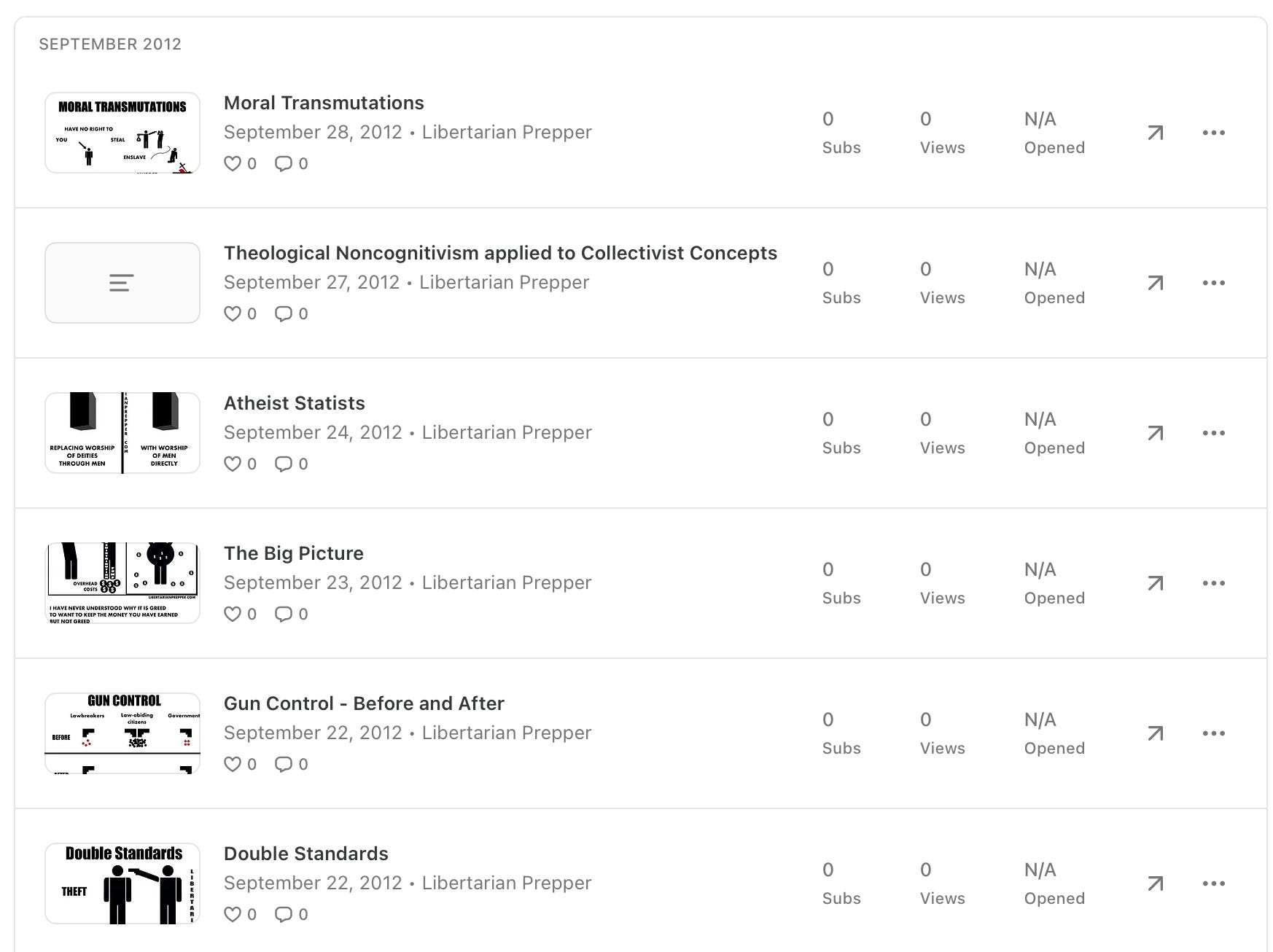
I moved my other publication, libertarianprepper.com to Substack from Wordpress about 3 years ago. With it came the entire archive of posts - some of which used to get thousands of clicks from Google every year. After the move? These older posts have had literally zero views over a three year period.
There is a lot of competition for attention on Substack and elsewhere. I share your frustration over having agonized over a long post, only to receive minimal engagement. My philosophy is that I’m posting for my own benefit. Any engagement is welcome but not really anticipated.
The line “Substack makes writing throwaway” brings up so many feelings. It should be in boldface type and is deeply saddening. I have followed only a few substack accounts so that hopefully I can be a better consumer of people’s content. I really want to see older posts, especially topics of interest to me. I will definitely be making a more conscious effort to go into people’s archives and see what else they have written. Thank you for bringing awareness to this.